


Top Performing Investments in Jewellery Precious Metals and Gemstones Over the Last Decade
Investing in Tangible Assets: A Guide for Savvy Investors
==========================================================
Investing in tangible assets like jewellery, precious metals, and gemstones has long attracted those seeking to diversify their portfolios beyond stocks and bonds. Over the past 10 years, these assets have shown varying degrees of performance, influenced by market trends, economic shifts, and consumer demand. Understanding which of these investments has performed best can help investors make informed decisions about where to allocate their resources.

Performance of Precious Metals
Precious metals such as gold, silver, platinum, and palladium have been popular investment choices for centuries. Over the last decade, gold has remained a strong performer, often seen as a safe haven during economic uncertainty.
Gold: From 2013 to 2023, gold prices increased by approximately 50%. This rise was driven by geopolitical tensions, inflation fears, and currency fluctuations. Its appeal lies in its liquidity and universal acceptance.
Silver: Silver showed more volatility but also higher percentage gains in certain years, especially when industrial demand surged. Over the decade, silver prices rose by about 70%, benefiting from its dual role as both an investment and an industrial metal.
Platinum and Palladium: These metals experienced mixed results. Palladium saw a significant price increase, nearly tripling in value due to automotive industry demand for catalytic converters. Platinum, by contrast, faced challenges with fluctuating demand and price drops.
Investors looking for stability often favor gold. Those willing to accept more risk might consider silver or palladium for potentially higher returns.
Jewellery as an Investment
Jewellery combines aesthetic appeal with intrinsic value, making it a unique asset class. However, its investment performance depends heavily on factors such as craftsmanship, brand, rarity, and market trends.
High-end branded jewellery: Pieces from renowned brands like Cartier, Tiffany & Co., and Van Cleef & Arpels have appreciated well, especially limited editions or vintage items. For example, certain Cartier bracelets have doubled in value over the past decade.
Custom and artisanal jewellery: These pieces may not always appreciate in value but can hold sentimental or artistic worth.
Gold and diamond jewellery: The value often tracks the underlying metal and gemstone prices but includes a premium for design and brand.
The resale market for jewellery can be less liquid and more subjective than precious metals. Therefore, I recommend focusing on quality, provenance, and market demand.

Gemstones and Their Market Trends
Gemstones like diamonds, rubies, sapphires, and emeralds have attracted investors for their rarity and beauty. Their performance over the last decade varies widely depending on type, quality, and market conditions.
Diamonds: The market for investment-grade diamonds has been stable. Some rare colours and large stones have seen an increase in value. However, the overall diamond market has faced challenges due to synthetic alternatives and changing consumer preferences.
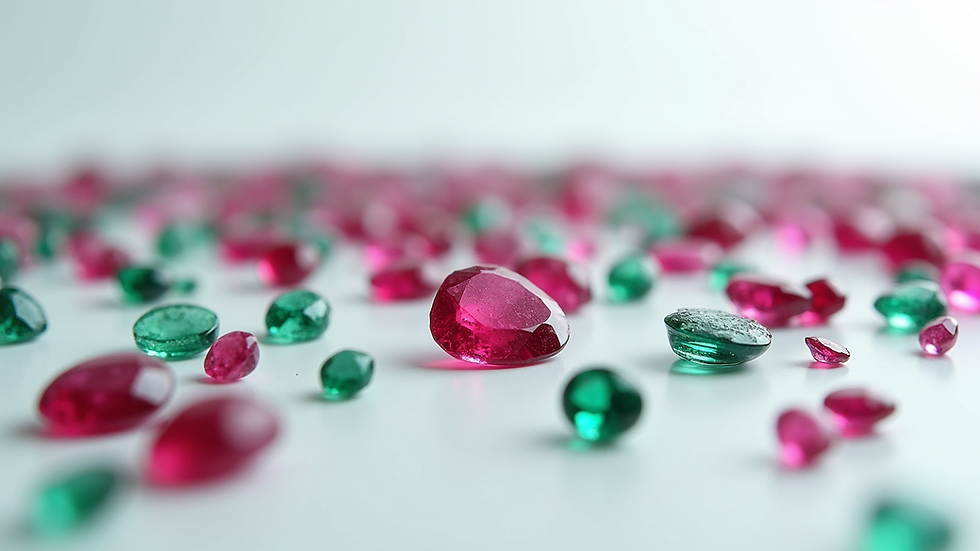
Rubies and Sapphires: High-quality rubies, especially from Myanmar, and sapphires from Kashmir or Burma have seen strong price appreciation, sometimes exceeding 100% over ten years.
Emeralds: Fine emeralds from Colombia have also increased in value but are more sensitive to market fluctuations.
Investing in gemstones requires expertise to verify authenticity and quality. Unlike metals, gemstones do not have a standardised pricing system, which can make valuation complex.
Comparing the Three Investment Types
When comparing jewellery, precious metals, and gemstones, consider these factors:
Liquidity: Precious metals like gold and silver are easier to buy and sell globally. Jewellery and gemstones may require specialized buyers.
Volatility: Metals tend to have more predictable price trends. Gemstones and jewellery can be more volatile due to subjective factors.
Storage and insurance: Jewellery and gemstones often need secure storage and insurance, adding to costs.
Market transparency: Metals have transparent pricing, while gemstones and jewellery pricing can vary widely.
Practical Tips for Investors
Investing in jewellery, precious metals, and gemstones offers opportunities to preserve and grow wealth. However, success depends on knowledge and careful selection. Here are some practical tips:
Research market trends: Stay informed about historical performance before investing.
Buy from reputable dealers: Ensure you have certification for gemstones and jewellery.
Consider storage and insurance costs: Factor these into your investment plan.
Diversify your portfolio: Spread investments across metals, jewellery, and gemstones to balance risk.
Stay informed: Keep up with geopolitical and economic factors affecting precious metals.
The past decade showed gold and silver as reliable performers, with palladium gaining due to industrial demand. High-quality rubies and sapphires outperformed many other gemstones, while branded jewellery appreciated in value when rarity and craftsmanship aligned.
Investing in tangible assets can be rewarding. With the right knowledge and approach, I believe you can navigate this exciting market successfully.


Comments